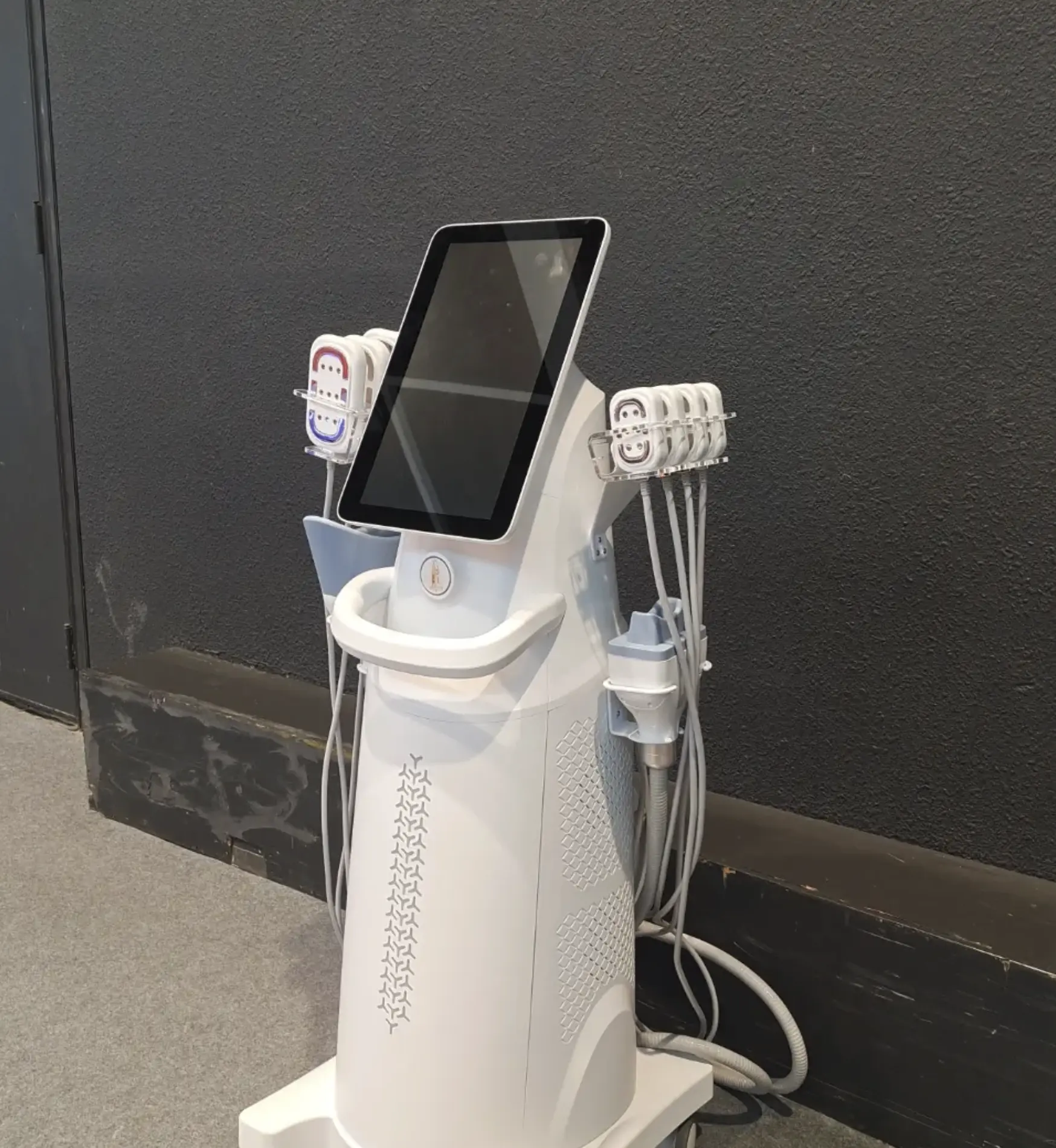
Are home ice baths actually better than professional chambers? That’s the question I get asked all the time by clients in the treatment room at The Facial Hub, especially as more and more people are looking to cold therapy to help with recovery, skin health and just plain old stress management. To be honest, the answer is – it depends. What works best for you depends on how you choose to use cold exposure, what you want to achieve and how safely you go about it.
I’ve seen all sorts of setups—from backyard cold plunge tubs to top-end full-body cryotherapy chambers —and let me tell you, they can all work like a charm—or backfire—depending on the person using them. Time to get real cold plunge tubs to top-end full-body cryotherapy chambers and not let the hype get in the way.
Why Cold Exposure Is Becoming A Daily Ritual
Cold therapy has gone from being just something pro athletes use to helping people all around get through their day – and that’s no accident.
Personally, I see clients dealing with all sorts of issues in Brisbane and Melbourne – from inflammation to slow blood flow and skin problems that are basically caused by stress. Techniques like cold water immersion, just standing under a cold shower, and even a proper cryotherapy session can be real game-changers for your nervous system, helping to put it back in balance, reduce inflammation, and aid muscle recovery.
From a sports medicine perspective, the studies show that cold water immersion can cut down on muscle soreness by as much as 20-30% within 24 to 48 hours after your workout – a big bonus for anyone who’s into resistance exercise or is fighting muscle fatigue.
But what’s really going on here?
- Blood vessels constrict when you’re exposed to the cold
- And then suddenly your circulation picks back up (that’s the Lewis Reaction)
- Your sympathetic nervous system gets turned on, and your vagus nerve starts to calm you down
That’s when you start to see inflammation reduction, pain relief, and improved immune function kick in.
The Reality Of At-Home Cold Setups
Time to talk about what happens when people try to set up their own cold plunge systems – and get it right (or wrong).
What You’re Really Getting
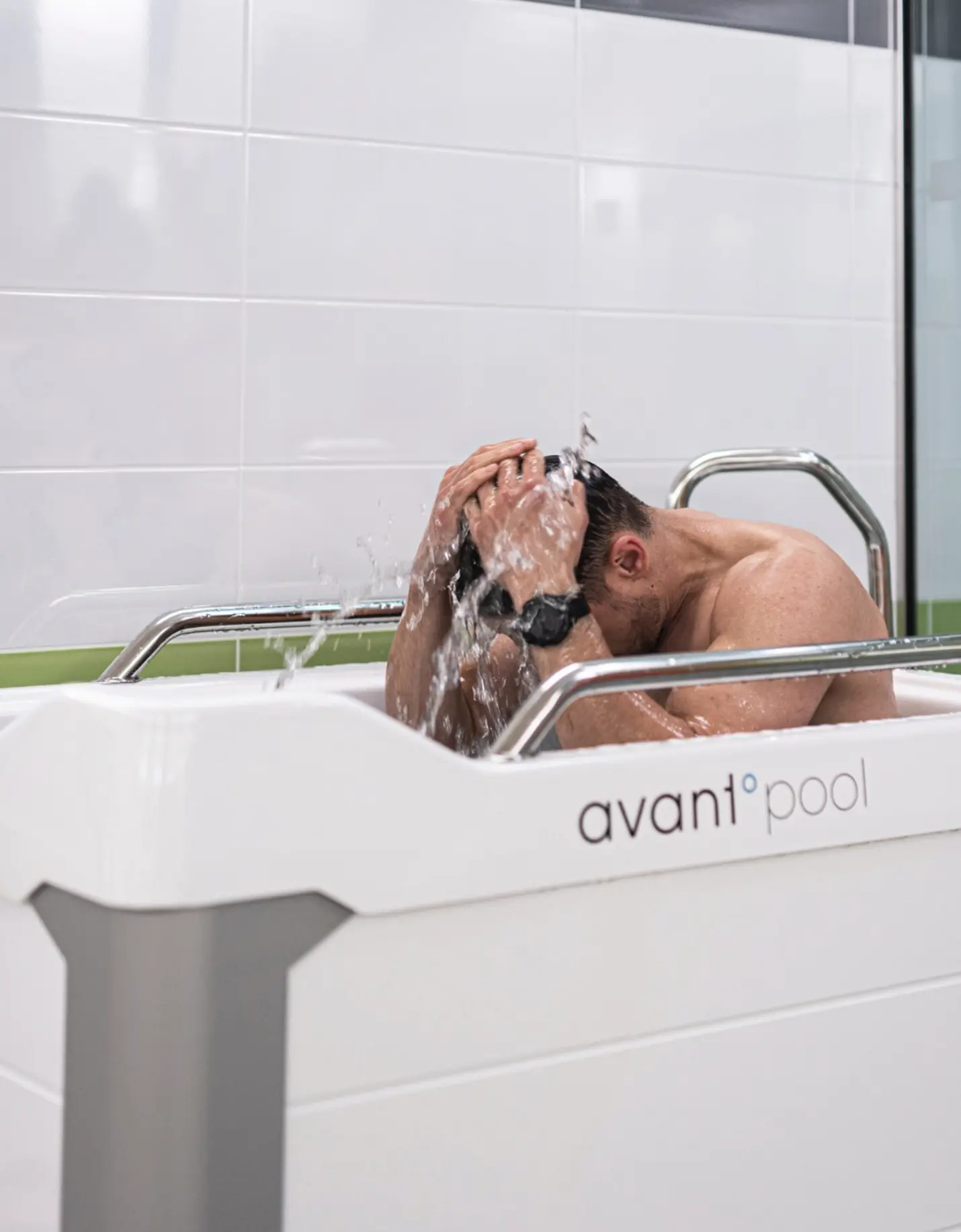
A home ice bath setup or a cold plunge system can be super convenient – and that’s usually why people end up using one. You can just step in whenever you like and make it part of your routine – which is great.
But the thing is, most home systems just don’t have proper temperature control, a good filtration system or great hygiene standards. Water temperature can shift right away – especially if you’re using an outdoor setup – leaving you just guessing rather than actually measuring.
I’ve seen clients who were dead set on using cold water therapy every day but ended up coming in with all sorts of problems like sensitivity, fatigue and even central nervous system stress. The idea was good – it was just the execution that needed a bit of work.
When It Works Well
Home setups can work great for active recovery – as long as you know what you’re doing. Short, full-immersion sessions of 5 to 10 minutes are usually enough to support muscle recovery without overdoing it.
The key is consistency – not going too hard – and having a well-maintained system made from good materials like stainless steel, with clean water and a sensible timing system.
Inside A Professional Cold Air Treatment Experience
This is where precision, safety, and results tend to actually align much more for most people, as opposed to just being pie in the sky.
What Actually Happens
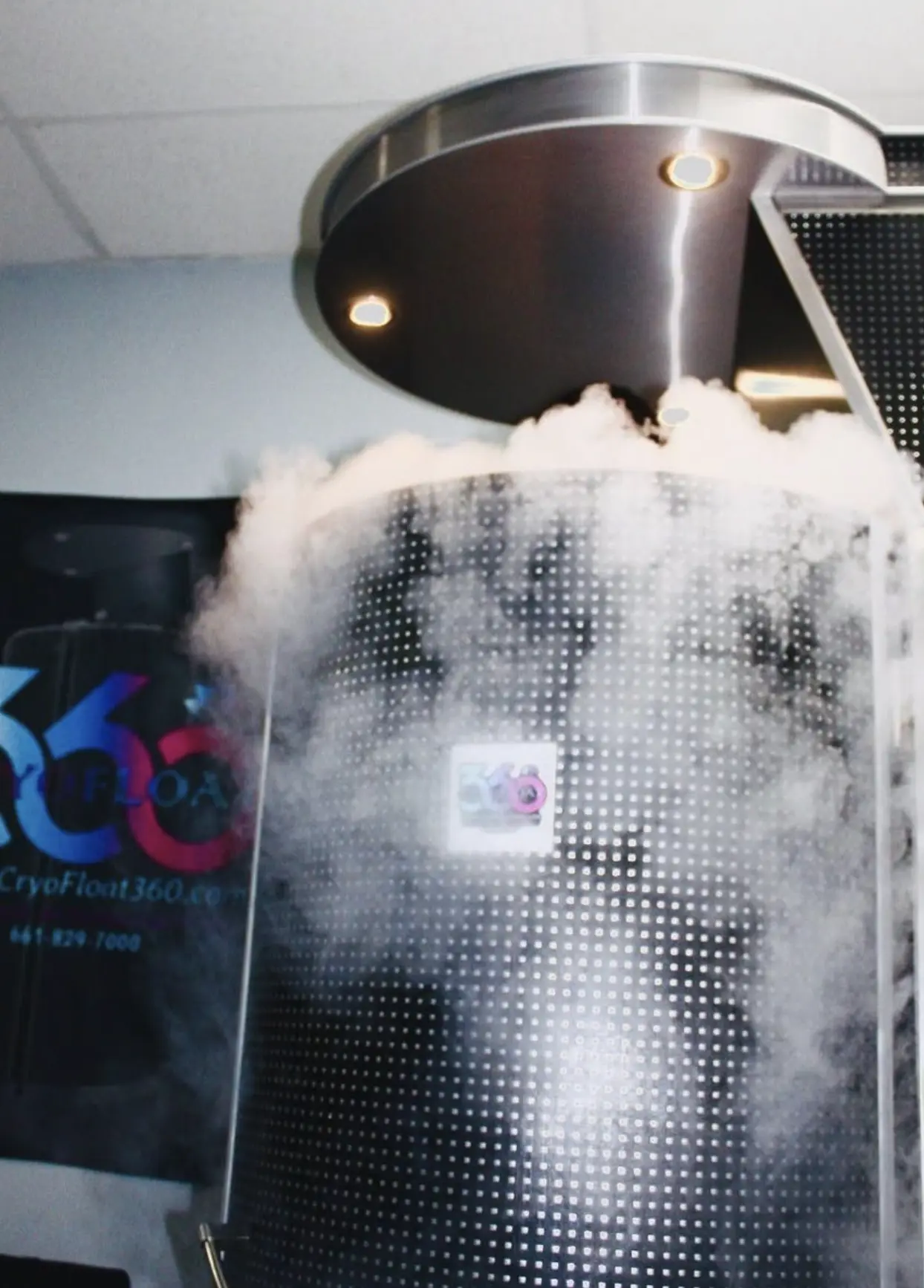
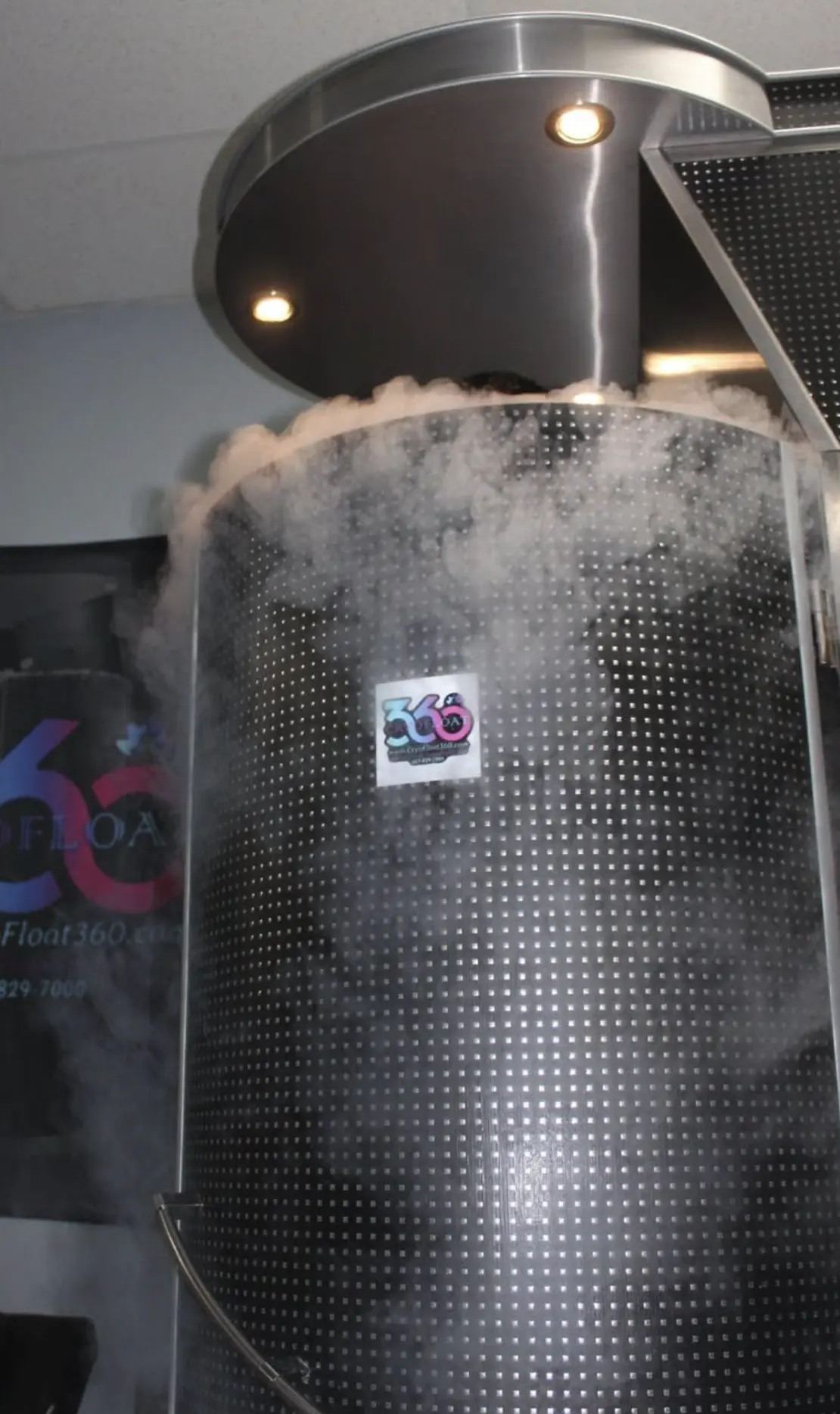
A cryotherapy chamber or cryotherapy booth exposes the body to ultra-cold air, often between -110°C and -140°C, using liquid nitrogen vapour, or advanced refrigeration systems. Unlike water immersion, the cold is dry, fast, and highly controlled.
A typical cryotherapy session usually only lasts 2-3 minutes – a lot of our clients are quite surprised by that if they’ve never had a go at cryotherapy in Brisbane before. It’s tough, but then it’s also super efficient.
At The Facial Hub, I always make a point to explain that full-body cryotherapy isn’t about how tough you are – it’s about precision.
Why People Choose It
The main thing that professional systems have over home setups is control. The temperature is set, the exposure is timed, and the sessions are overseen by proper, trained people who know what they’re doing. You’ll also be wearing things like neoprene booties to keep you safe during the treatment – no messing around.
For people dealing with severe injuries or persistent pain, or those doing a lot of high-intensity training, this level of organisation tends to lead to faster, more noticeable results.
Comparing Results, Cost, And Practicality
| Feature | Home Ice Bath / Cold Plunge System | Professional Cryotherapy Chamber |
|---|---|---|
| Method | Cold water immersion / full immersion | Ultra-cold air exposure |
| Temperature | 5–15°C (variable) | -110°C to -140°C (controlled) |
| Duration | 5–15 minutes | 2–3 minutes |
| Cost Per Session (AUD, 2026) | ~$0–$10 | $40–$90 |
| Equipment | Basic tubs, chilling motor | Advanced cryotherapy devices |
| Hygiene | User-managed | Clinical-grade |
| Safety | Self-monitored | Supervised |
| Effect | Gradual muscle cooling | Rapid neurochemical responses |
Note: Pricing varies across Australia, and some clinics offer bundled services to reduce the overall cost per session.
What I Notice In Skin And Stress Responses
People who have actually done some hands-on experience in this field will tell you how important it is.
Cold exposure signals the skin’s temperature receptors, which in turn trigger metabolic responses and increase blood flow. As your body warms back up, that’s when you get that fresh, post-treatment glow.
But the thing is, more isn’t always better.
Too much cold can:
- Damage the skin barrier, leaving you open to problems
- Overstimulate the sympathetic nervous system
- Turn an inflammation issue into a bigger problem
I know folks who were doing a daily cold plunge and ended up with all sorts of issues like joint pains, fatigue, and sensitivity – it was like they were using the therapy as a stressor rather than a relief.
Safety, Hygiene, And Smart Use
This is the part where most people just sort of wing it – but trust me, it matters.
In a professional environment, you get:
- Clean systems and a controlled method of exposure
- Safe handling of nitrogen gas (if you need to use it)
- Structured session timing to make sure everything runs smoothly
At home, you need to be on top of:
- Keeping the water clean (especially if you’re using full-body immersion)
- Knowing when to stop – your body has limits, after all
- Any underlying conditions like cardiovascular disease – you can’t just ignore those
Cold therapy is useful – but it’s still a physical stressor, so you need to use it smart.
How Climate Influences Your Results
Every day at The Facial Hub, I see the same thing.
Heat and humidity just make inflammation worse.
A cold plunge might feel great, but the sensation is all the more intense because of the climate.
Some folks are exploring cryo in Brisbane just because it’s a quicker, more controlled option.
Where The Industry Is Heading Next
Cold therapy is evolving – moving away from just cold exposure and into more refined temperature-based therapies.
Nowadays I’m seeing:
- Contrast therapy (heat + cold), which gets into deeper recovery
- Cold exposure integrated into broader wellness routines
- Smarter cold plunge systems with improved filtration and control
There’s also growing interest in how cold exposure can support:
- Metabolic activity
- Reduced inflammatory signalling
- Faster recovery after exercise
It’s no longer about just going to extremes – it’s about using it as a strategy.
Choosing The Right Approach For Your Body
My honest answer is this:
- If you want to save money and have a consistent routine, then home ice baths or a cold plunge system might be the way to go.
- If you want precision, supervision, and a stronger physiological impact, then a cryotherapy chamber might be what you’re after.
A lot of folks end up combining both – and that’s often where the best results come from.
FAQ
Is cold exposure something everyone can do?
Not necessarily. If you have any health concerns, especially related to circulation or heart health, it’s a good idea to talk to a medical professional before starting.
How do water-based cold therapy methods compare to air-based ones?
With water immersion, your body is fully surrounded and cools down gradually. With air-based treatments, the cold hits you much faster, and the effect is much more intense.
What’s a realistic target for a weekly cold therapy routine?
Most people will get good results from doing a few sessions a week, with enough time in between for their body to fully recover.
Can cold therapy actually help with post-workout recovery?
Yes, if you do it right, it can help reduce muscle soreness and support overall recovery when combined with other strategies.
Does going harder and harder with the cold always lead to better results?
No – the truth is that the body responds best to consistent, moderate cold exposure rather than just pushing it to extremes.