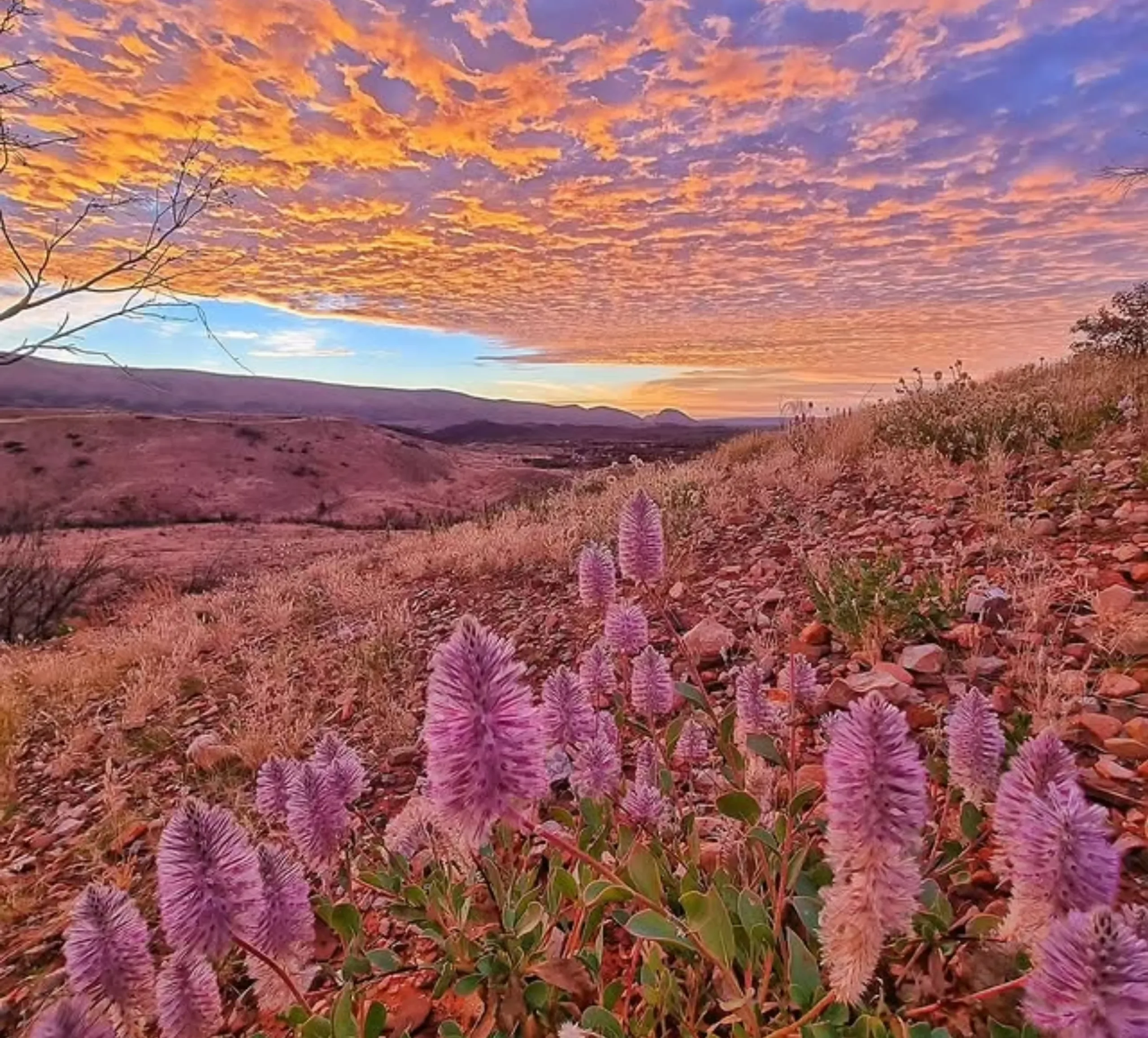
The question “Are the West MacDonnells any good for a swim?” pops up every dry season in the Northern Territory at some point – usually when you’re refuelling at a servo or grabbing a half-warm pie on the side of the road. I’ve done my fair share of swimming both out there in the desert and up in the Top End over the years – & its been a good mix of refreshing dips in the cold near Alice Springs & lazy floats in the Top End to boot. The upshot is, you’re looking at two very different types of swimming, shaped by the local climate, geology, and the number of people around.
If you’re planning a road trip, booking a tour with Wildlife Tours, or deciding on whether to do the Red Centre or stick with a Darwin-based trip, this guide will cut through the sales patter. No flowery brochure speak here – just what it’s really like when you get in the water.
Cold Water, Quiet Gorges & Endless Silence in the Bush
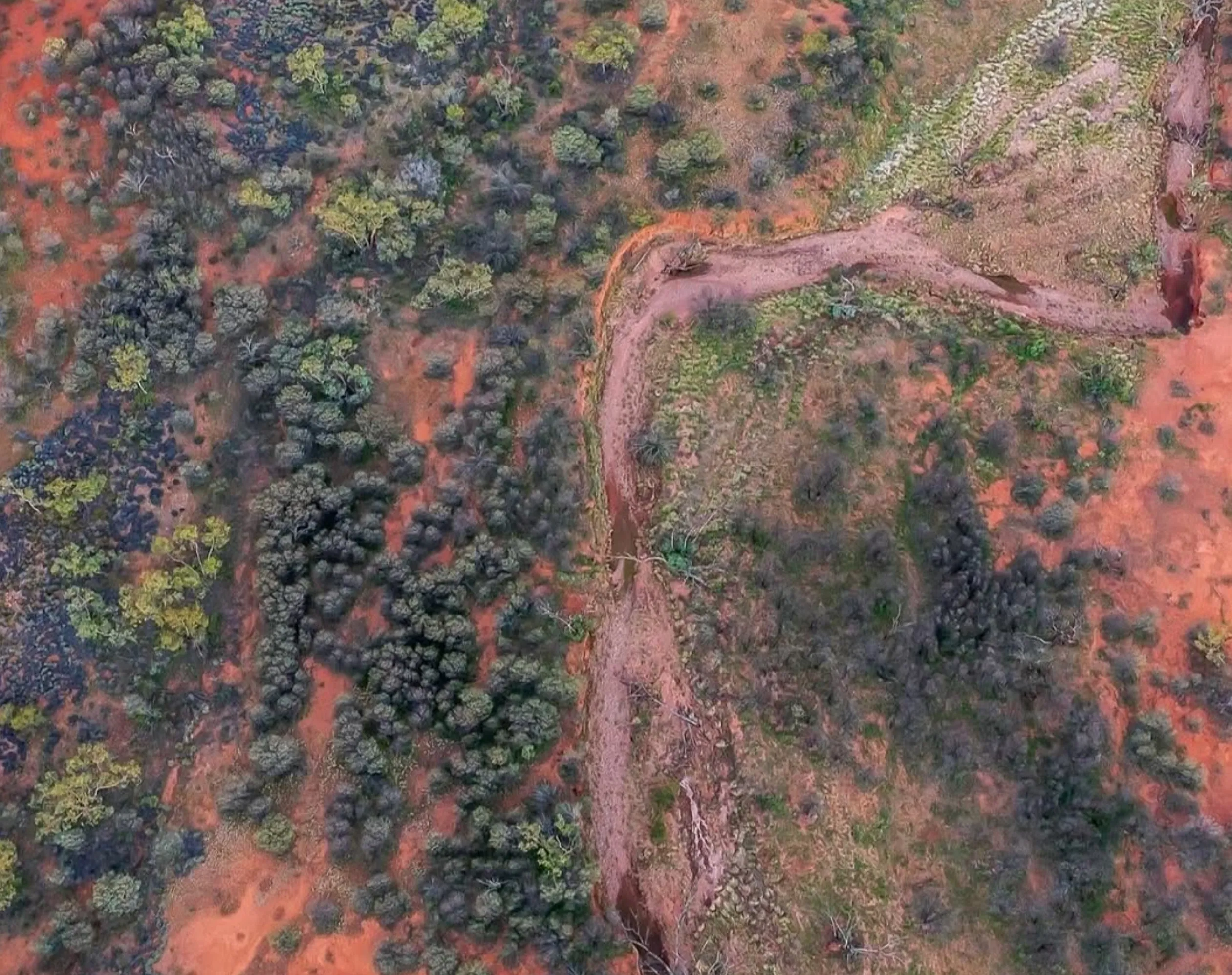
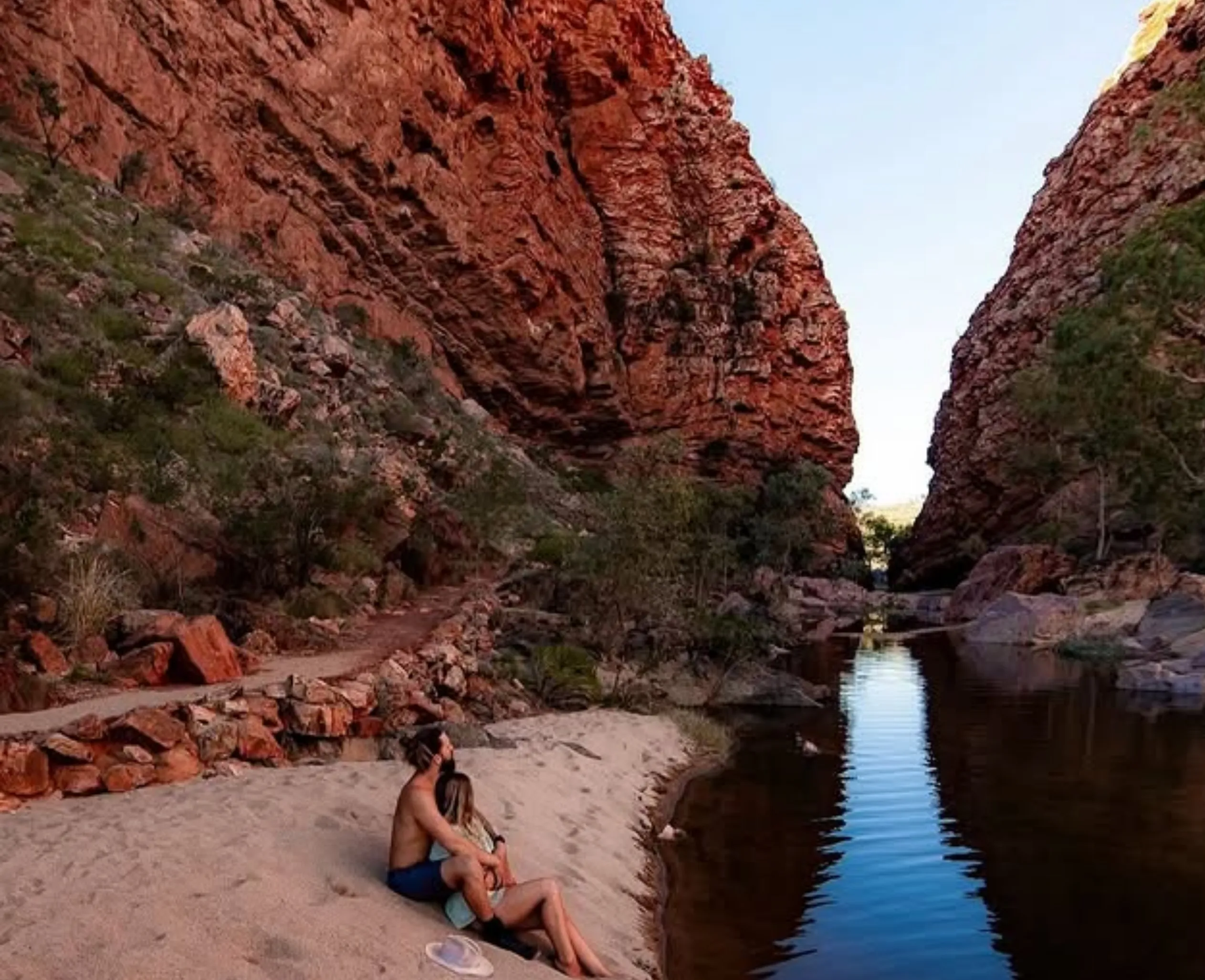
Out west of Alice Springs, swimming isn’t so much about getting there quickly as it is about making a connection with the place. The West MacDonnell Ranges are a long, thin line of a mountain range through the Red Centre, & their waterholes are a reward for those who are willing to slow down & take the plunge.
This is the kind of swimming where the first step makes your breath catch in your throat, the second one clears your head & the third one reminds you why you decided to make the long drive out here in the first place.
Cold Water, Quiet Gorges & Endless Silence in the Bush
Unlike in the Top End, the water at these West MacDonnell pools is spring-fed, filtered through rock formations before it surfaces in these narrow, shaded gorges. Even when the temperature is pushing 38 degrees outside, the water barely warms up. The geology of these waterholes gives you a bit of a predictable forecast each year, which is pretty handy when you’re driving the Stuart Highway in the middle of summer:
they keep their water levels in most seasons
the water’s about as clear as it gets, barring rare algae events
and it’s less dependent on the last bit of rainfall than other waterholes in the area
And let’s be real – when you’re doing a long, hot drive, that sort of predictability does make a big difference.
The Swims That People Actually Go Back For
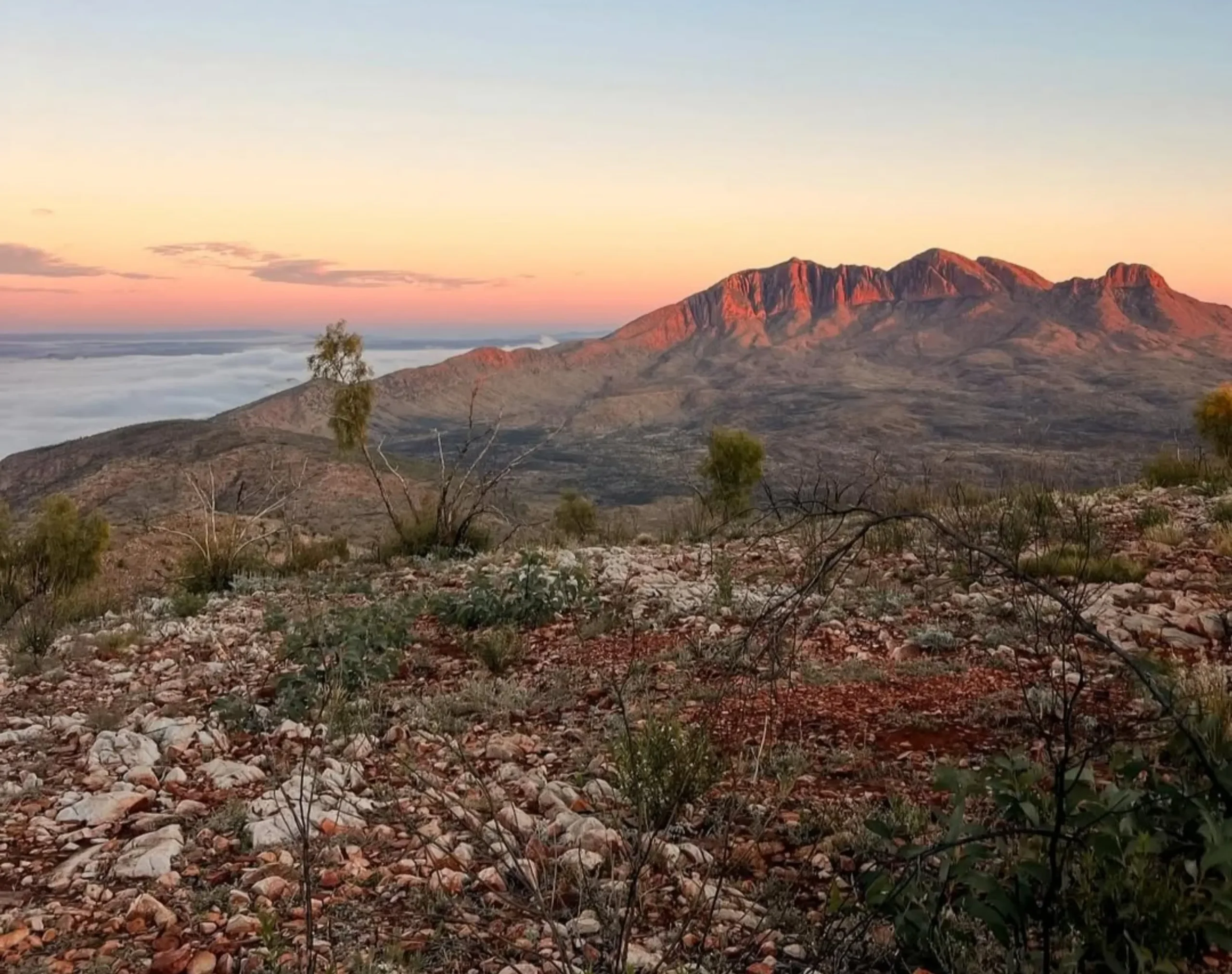
Loads of people like to point at maps & name off every single gorge out there – but only a handful of ’em are actually worth getting to for a good swim:
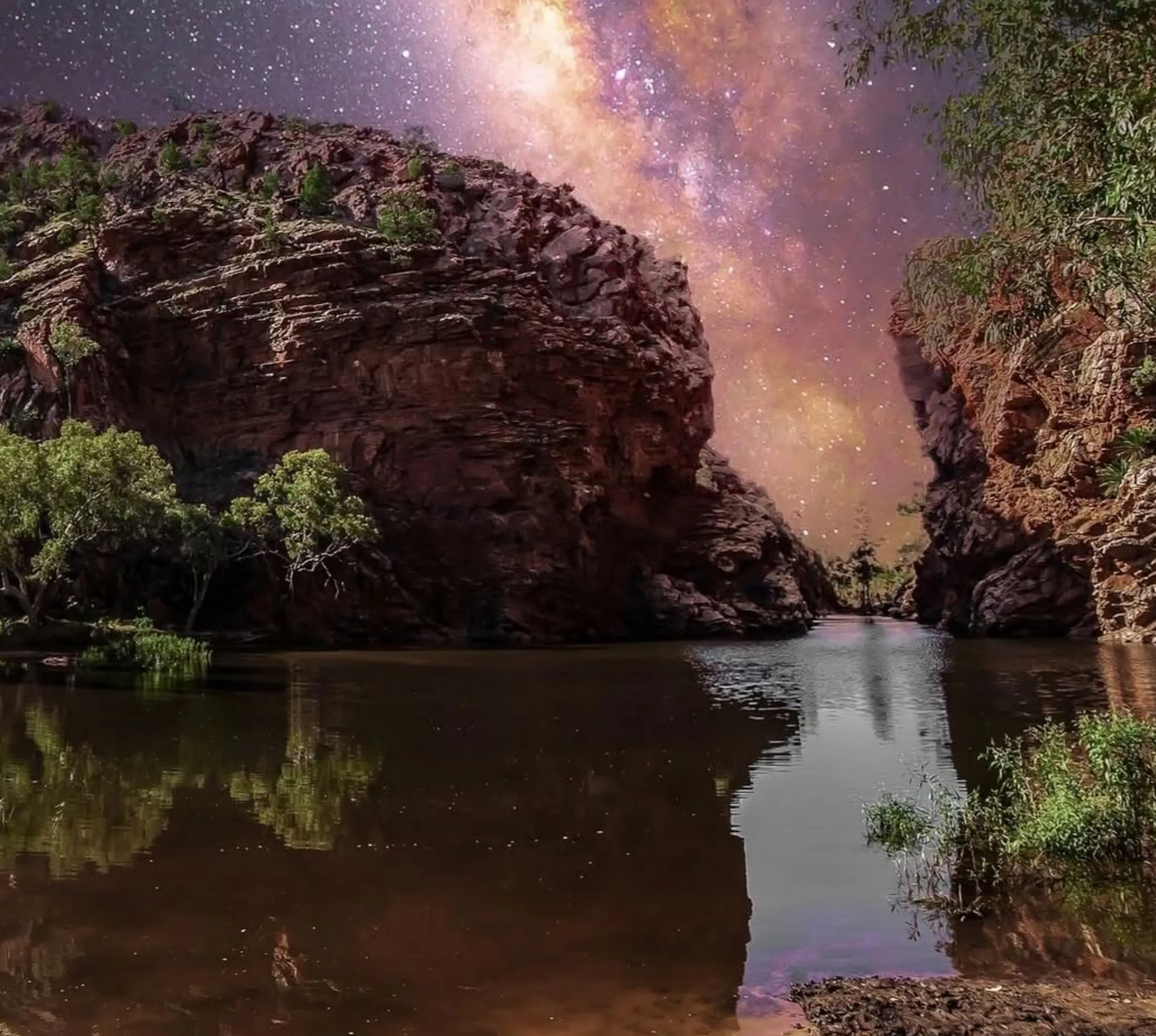
Ormiston Gorge – deep, cold & protected by sheer cliffs
Ellery Creek Big Hole – wide, sandy & perfect for a float downstream
Serpentine Gorge – a bit quieter, & the access walk is a bit of a challenge
On the guided tours of the Red Centre, these are often the stops that leave a lasting impression – not because they’re the flashiest, but because they’re the ones that feel like an achievement.
Warm Cascades & Easy Access In The Top End
Head north, and the whole swimming scene does a complete U-turn. Litchfield National Park is basically designed with comfort in mind: short strolls, toasty water & waterfalls that are perfect for lounging around in the arvo rather than just a quick splash.
For all the Wildlife Tour people out in the Top End, Litchfield is often the park that makes those folks who claim they aren’t really swimmers into full-time floaters.
Why Swimming Just Feels So Effortless Up This Way
Litchfield sits on a large sandstone plateau fed by all the rain that falls during the wet season. When it’s dry, the water just slows down, the pools clear, & getting around becomes a breeze – all sealed roads, clear signs & facilities, so you can just turn up without having to do much planning.
Of course, that ease of access does come with a few downsides:
Water warms up to a comfortable temperature a lot faster later in the dry season
The most popular spots get busy by mid-morning
Some of the falls get shut off after the heavy wet seasons
If you’re after a social swim with minimal fuss – you know, just turn up & go – then this is where you want to be.
Where Everyone Ends Up Swimming
A few spots get the bulk of the swimming traffic in Litchfield, and for good reason:
Wangi Falls – massive pool, but only safe to swim in during certain times of the year, depending on how the water’s flowing
Buley Rockhole – multiple pools of moving water & a series of steps to get in & out
Florence Falls – your standard plunge pool with stairs down to the water
And just a heads up: there are freshwater crocodiles in the park. Swimming zones are all monitored, but don’t just ignore the signs – follow them.
How The Swim Experience Really Compares
When people argue about which region is “best”, they’re often talking over each other. Here’s the lowdown on how the swimming experience stacks up when you get past all the marketing spin.
| What Matters Most | West MacDonnell Ranges | Litchfield National Park |
|---|---|---|
| Water feel | Cold, spring-fed | Warm, rain-fed |
| Crowd levels | Generally low | High in peak season |
| Access | Short walks, uneven ground | Sealed paths |
| Facilities | Minimal | Toilets, picnic areas |
| Swim reliability | High year-round | Dry season only |
Northern Territory tourism numbers show Litchfield raking in over 300,000 visitors each year – and that’s a lot of people. Meanwhile, the West MacDonnell Ranges get a fraction of that amount of foot traffic, which usually means a much more peaceful swimming experience.
Season Does Matter – Or Does It?
In the NT, the calendar’s a bit of a liar. What really matters is the difference between wet and dry conditions.
Dry Season And What You Can Expect
From May to September:
You can bet your bottom dollar that Litchfield will be delivering its best swimming days, along with the crowds
Waterholes in the West MacDonnell Ranges, on the other hand, remain cold, clear and pretty consistent
Build-Up And Wet Season Reality Check
From October onwards:
You can forget about swimming at Litchfield if it’s been raining a lot – closures due to flooding and safety checks will be in full swing
The West MacDonnell sites are still accessible, but you’ll need to keep an eye on the heat
That’s why so many tours of the red centre focus on the shoulder season – the water’s still good, and the temperature’s a bit more bearable.
Wildlife and Water Safety 101
Don’t make the mistake of lumping all Top End parks together – Litchfield is as different from Kakadu National Park as chalk and cheese. You won’t find yourself swimming near places like Yellow Water or Cahills Crossing, where saltwater crocodiles rule the roost.
That distinction makes Litchfield one of the few northern parks where you can actually swim in designated freshwater areas – but only in the specified areas.
Respecting Country While Cooling Off
Both regions sit on traditional Aboriginal land – the West MacDonnell Ranges are Arrernte Country, and Litchfield lies within the Warray Aboriginal people’s traditional lands.
So, when it comes to swimming responsibly:
Make sure you’re not skipping past any access restrictions
Give culturally sensitive areas a wide berth
Leave any rock art and natural features intact
When you’re on a guided tour with Wildlife Tours, this sort of context is often explained on-site – and it really does change how you see these places.
The Hard-Won Lessons Of Too Many Hot Days
A few things experience teaches you pretty quickly:
Get an early start – the heat and crowds will double by lunchtime
Wear your shoes – wet rock is way more slippery than you think
Carry more water than you think you’ll need – you can never be too sure
Check the park alerts the night before – don’t get caught off guard
And don’t even get me started on mozzies – they don’t care if you’re in the Red Centre or the Top End.
Making The Right Choice Without Regrets
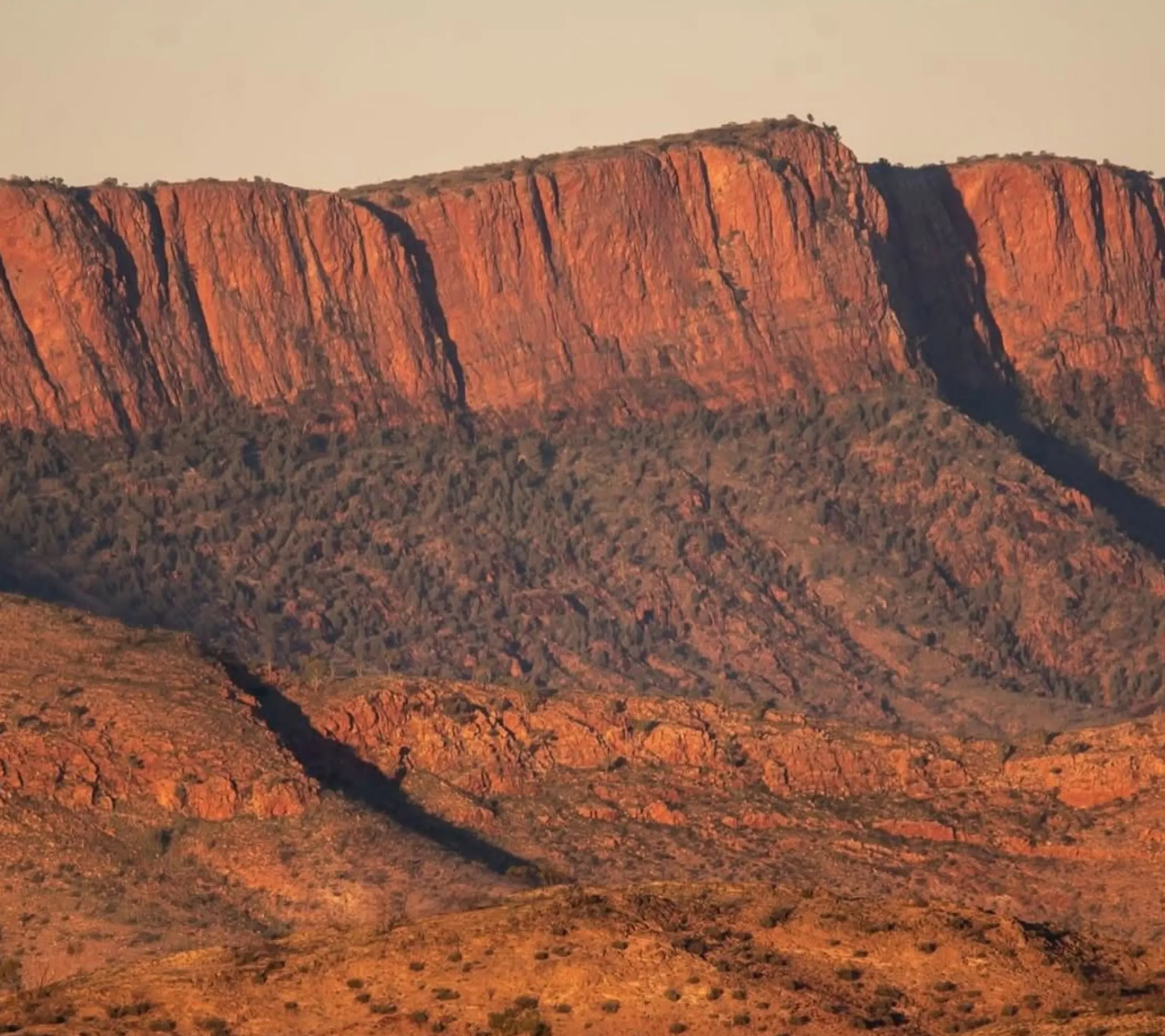
If you value a bit of solitude, cold water, and the quiet hum of ancient rock formations, then the West MacDonnell Ranges have a swimming experience that’ll stay with you. If you want a warm swim and some classic northern waterfalls, Litchfield National Park will make life easy for you.
For me, when I’m travelling inland, I still lean towards the West Macs – especially on tours that go through the red centre. But if your mates are flying into Darwin looking for an easy swim, Litchfield’s a pretty good choice.
It’s a different country – different water – but the same old Territory truth.
Final Word
There’s no all-weather winner here – just choose your style of swimming, be it nice and chilly, or nice and easy, and plan around the seasons – and the Northern Territory will deliver every single time.
FAQ
Is swimming always possible inland?
Most of the West MacDonnell waterholes are spring-fed and usable pretty much all year round, but they can get closed off if there’s been a lot of rain recently.
Are there crocodiles to worry about in Litchfield?
There are freshwater crocs in the park. Swimming spots are constantly monitored and will be closed if the risk level rises.
Which area is best for families?
Litchfield is probably going to suit families a bit better – it’s warmer, the walks are shorter, and there are facilities.
Does crowding mess with water quality?
If too many people start showing up, it can warm the water and stir up sediment in Litchfield, making swimming pretty miserable. The West MacDonnell sites tend to stay clearer overall, though.
Where do guided tours generally take you swimming?
Most wildlife tours focus on the good, reliable ones in both places, depending on the season and the conditions.