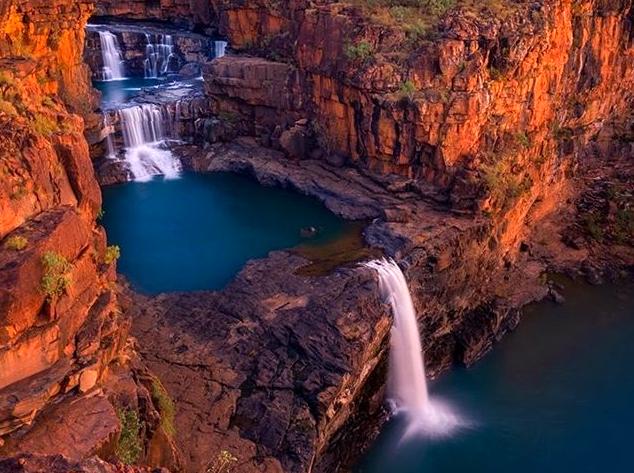

The Kimberley region in Western Australia is a stunning blend of breathtaking natural landscapes, rich cultural heritage, and adventurous activities. This article serves as a comprehensive guide to exploring the Kimberley, providing insights into its varied attractions, adventure opportunities, and practical travel tips. Whether you’re drawn by the rugged cliffs of the Bungle Bungles, the iconic horizontal waterfalls, or the ancient rock art, the Kimberley offers a uniquely Australian experience that captivates every traveler.
Why Visit the Kimberley?
The Kimberley region is renowned for its unspoiled beauty, making it one of Australia’s last great frontiers. Vast expanses of remote wilderness, dramatic gorges, and pristine beaches are wrapped in a rich tapestry of Indigenous culture and history. This area is not just a destination; it is an adventure playground for nature lovers and thrill-seekers alike. Travelers can indulge in a variety of activities, from taking scenic helicopter tours to exploring ancient rock art sites that date back thousands of years. The region is also home to diverse wildlife, including saltwater crocodiles, birds, and unique flora. Visiting the Kimberley means embracing an off-the-beaten-path experience that guarantees unforgettable memories.
Top Attractions in the Kimberley
The Kimberley is dotted with numerous attractions that cater to various interests. Here are some must-visit places:
-
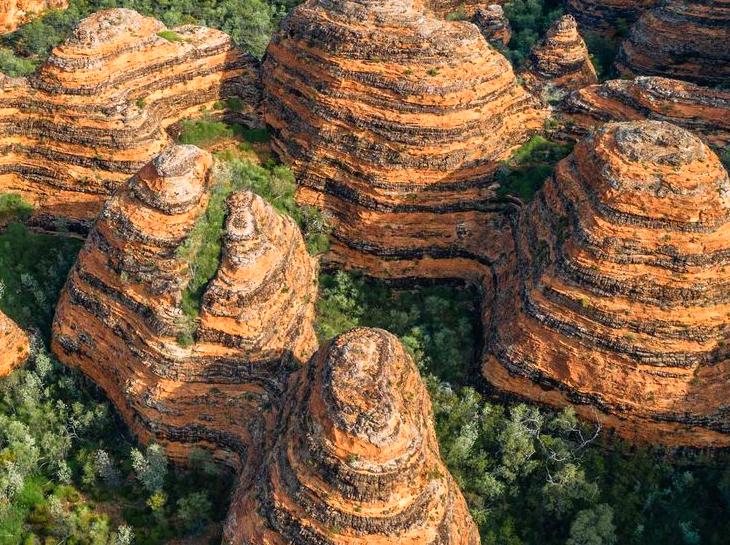
- Bungle Bungles (Purnululu National Park): Famous for its beehive-shaped sandstone domes, the Bungle Bungles is a UNESCO World Heritage site. Visitors can explore walking trails, take scenic flights, and marvel at the stunning colors of these natural formations.
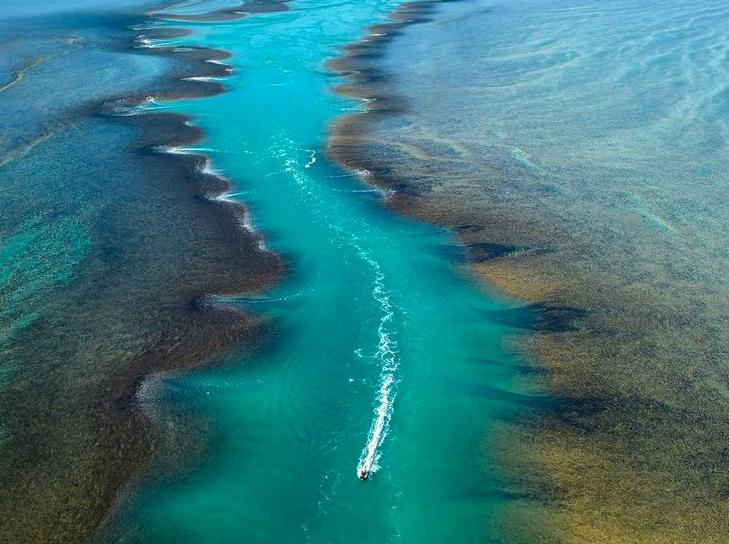
- Horizontal Falls: Known as one of the world’s greatest natural wonders, the Horizontal Falls feature a swift tidal flow that creates enormous waterfalls. A boat ride or a scenic flight over this phenomenon provides an exhilarating experience.
- Gibb River Road: This iconic route runs through the heart of the Kimberley and offers access to many stunning gorges, swimming holes, and waterfalls. The road is best tackled with a 4WD vehicle for an authentic outback adventure.
- Windjana Gorge: This dramatic gorge offers hiking opportunities alongside the Lennard River, and it’s a great spot for viewing freshwater crocodiles in their natural habitat.
- Broome: A coastal town famous for its pearling history and beautiful beaches, Broome is the gateway to the Kimberley, featuring the famous Cable Beach, where visitors can enjoy stunning sunsets over the Indian Ocean.
Activities and Adventures
The Kimberley offers a plethora of adventures, ensuring that every visitor finds engaging activities tailored to their interests. Many choose to embark on guided tours that provide access to hard-to-reach areas while sharing valuable insights into the region’s history and ecology. For thrill-seekers, activities such as helicopter flights or scenic plane tours allow for stunning aerial views of untouched coastlines and natural wonders. Fishing, snorkeling, and diving along the pristine waters yield opportunities for catching exotic fish or swimming with marine life. For a more intimate experience with nature, guided walks or camping expeditions introduce travelers to the unique flora and fauna endemic to the region. Additionally, many Indigenous cultural programs offer firsthand accounts of the traditions and art of the local Aboriginal communities, enriching the travel experience with historical significance.
Best Time to Visit the Kimberley
The Kimberley enjoys a tropical climate characterized by wet and dry seasons. The dry season, from May to October, is the most popular time to visit, offering pleasant temperatures and minimal rainfall, ideal for outdoor activities and road trips. The landscapes are vibrant, and wildlife is abundant, making it perfect for photography enthusiasts. The wet season, which lasts from November to April, transforms the region, with spectacular waterfalls and lush vegetation, though accessibility may be restricted due to flooding. Each season presents a unique perspective on the Kimberley, and travelers should consider their priorities—whether they prefer dry, warm weather or the experience of lush landscapes and dramatic storms—when planning their trip.

Travel Tips for Exploring the Kimberley
Planning a trip to the Kimberley can be an exciting venture with a few practical tips to keep in mind. First, ensure you have a reliable 4WD vehicle if you plan to explore off the main highways, as many attractions are accessible only by unsealed roads. It is crucial to carry adequate supplies, including food, water, and a first-aid kit, as amenities can be sparse in more remote areas. Always check weather conditions ahead of time, especially during the wet season, and inform someone of your travel plans if venturing into isolated regions. In remote areas, mobile phone coverage can be limited, so it’s wise to use a satellite phone for emergencies. Lastly, being respectful of Indigenous cultures and the environment is vital, so always follow guidelines set by local communities and park authorities.
Conclusion
The Kimberley is a remarkable destination that promises adventure, natural beauty, and rich cultural experiences. With its diverse attractions, ideal travel timing, and essential tips, visitors can make the most out of their journey through this awe-inspiring region. Whether exploring breathtaking landscapes, interacting with Indigenous culture, or indulging in outdoor pursuits, the Kimberley leaves an indelible mark on those who venture into its wild heart.
FAQs
The best time to visit the Kimberley is during the dry season, from May to October, when temperatures are mild and outdoor activities are most enjoyable.
2. How do I get to the Kimberley?
Most travelers fly into Broome, which serves as the gateway to the Kimberley region. From there, you can rent a vehicle or join guided tours to explore.
3. Are there any guided tours available in the Kimberley?
Yes, there are many guided tours available that offer various experiences, including 4WD adventures, helicopter flights, and cultural experiences with Indigenous communities.
4. What should I pack for a trip to the Kimberley?
Pack lightweight clothing, sun protection (hats, sunscreen), sturdy walking shoes, a reusable water bottle, insect repellent, and a good camera to capture the landscapes.
5. Is it safe to swim in the rivers and waterfalls in the Kimberley?
While many rivers and waterfalls are safe for swimming, always check local advice about crocodile activity and adhere to warning signs to ensure safety.